The best pediatric dentist in Lexington, KY, is one who considers your child’s needs and plans out their dental care for the upcoming years. They should communicate well with the entire family so that everyone understands proper home dental care. According to...
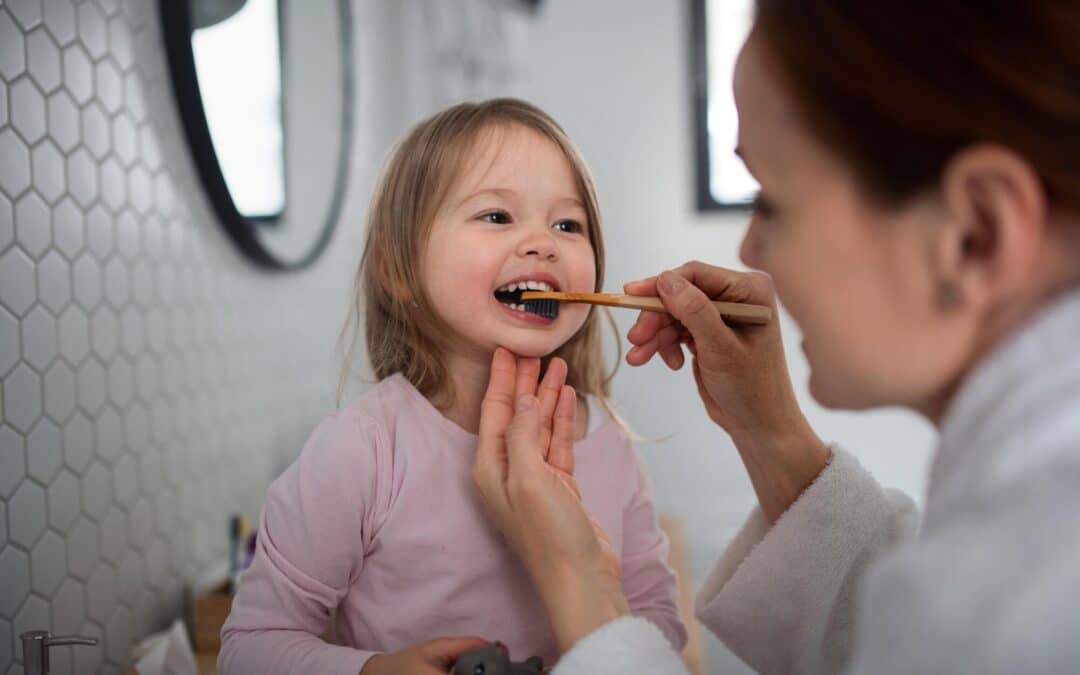
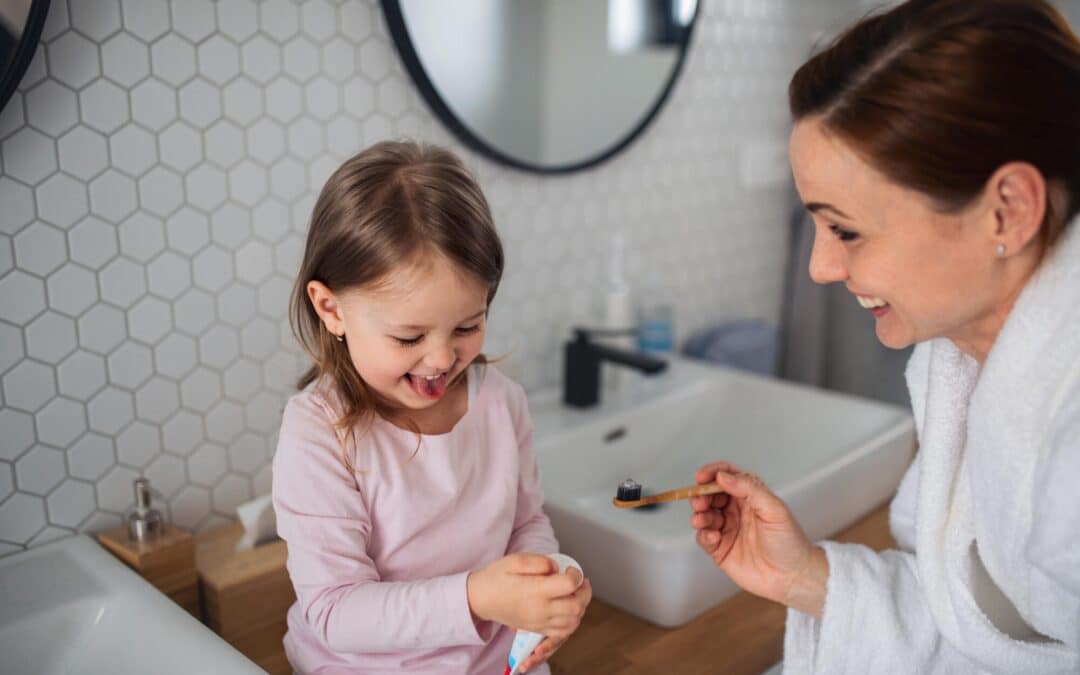
Good children’s dental habits start early and play a major role in lifelong oral health. Children’s dental care includes daily brushing, healthy eating habits, regular dental visits, and preventive treatments that help protect growing teeth from decay and...
What causes cavities in children comes down to a few key factors, such as bacteria, poor brushing habits, and not enough dental care. The good news is that cavities are largely preventable with the right routine and regular visits to a trusted dentist. A federal...
Moving to a new area can be both an exciting and overwhelming experience, especially for parents seeking the best healthcare options for their children. Finding a reliable pediatric dentist in Georgetown, KY, involves research into services offered, reputation, and...
Untreated cavities do far more than damage teeth. In children, they can trigger pain, infection, difficulty eating, disrupted sleep, and missed school days, while quietly affecting growth, focus, and overall health. Left unmanaged, a small cavity can snowball into...
Milk can contribute to cavities in children if it’s consumed frequently without proper brushing, as its natural sugars can feed bacteria that produce tooth-decaying acids. As parents, ensuring our children maintain a healthy smile is a top priority. With so much...
One critical decision parents face is choosing between general anaesthesia vs. sedation. Understanding the differences between these two options can make a significant impact on your child’s experience and overall safety. Is your child terrified of visiting the...
Imagine your child wincing every time they take a sip of juice or refusing their favorite snack because of unexpected tooth pain. That moment of surprise often catches parents off guard, yet children’s dental health issues can develop quickly if left unnoticed....
As a parent, one of your top priorities is ensuring your children grow up healthy and happy. However, visiting the dentist can often evoke fear and anxiety in little ones, leading to an uncomfortable experience. They’re not alone. According to The Harvard...
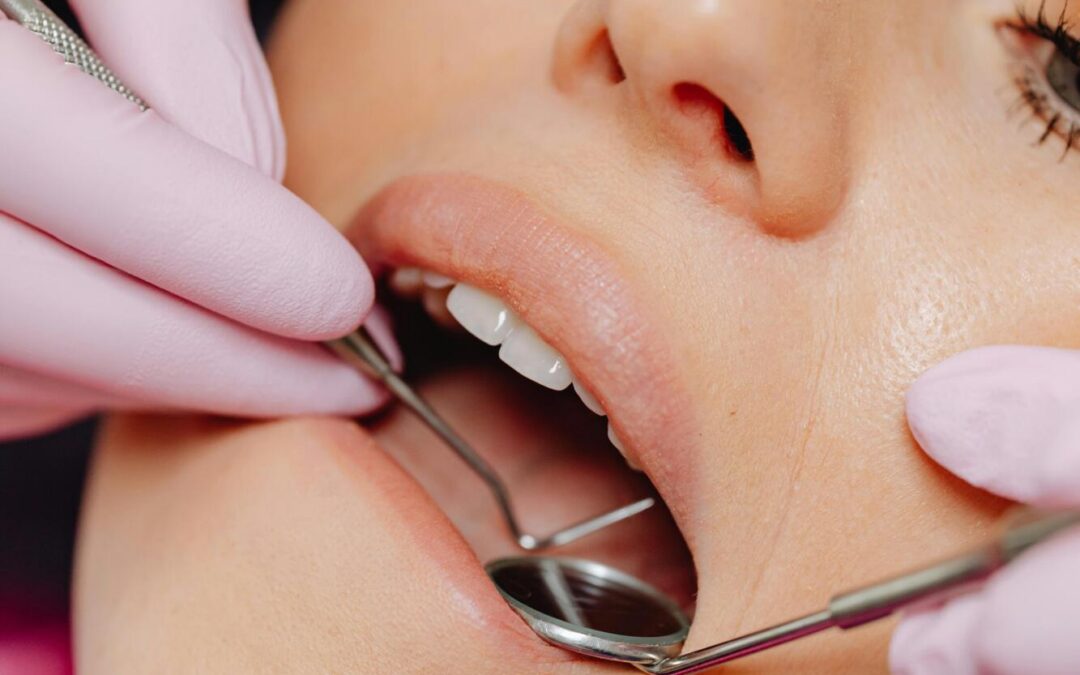
The University of Michigan reports that over one-third of parents have children with dental problems. That’s quite a few kids who may require early intervention in the form of children’s dental care. Finding the best dentist for kids is one of the most...















Recent Comments